

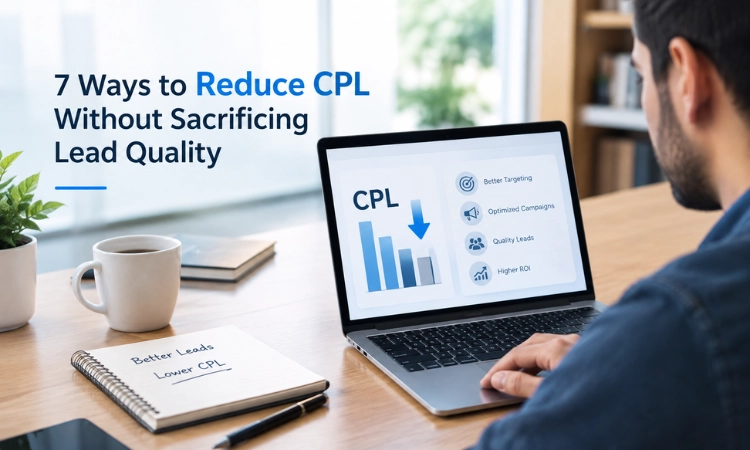


Getting leads is one thing. Getting leads that actually have a chance of becoming customers is a different story. A campaign can show a very attractive CPL, but if most of those leads don’t respond, can’t afford the product, or were never interested in the first place, the low number doesn’t really help.
This is why knowing how to reduce CPL needs a little more thought than simply cutting your ad spend or choosing the cheapest audience. You want the cost to come down, yes, but the quality of people entering your sales pipeline should stay useful.
The good part is that CPL can often be improved through several small changes. Better targeting, stronger creatives, cleaner landing pages and faster follow-up can all work together without turning your campaigns into a race for the cheapest possible lead.
Table of Contents
Toggle1. Improve Your Audience Targeting
Audience targeting is often the first place to look when your campaign is bringing in too many irrelevant inquiries. If the people seeing your ads are not close to your ideal customer, even a well-made ad can bring poor results.
Start by understanding who you actually want to reach, rather than trying to reach as many people as possible.
Define Your Ideal Customer
Think about the person most likely to buy from you. Their age, location, industry, job role, interests, business size and actual need can all help you create a clearer audience.
For B2B campaigns, job titles and industries may matter more than broad interests. For consumer products, location, behaviour and interests could be more useful. There isn’t one targeting formula that works for every business.
Identify High-Performing Audience Segments
Look at the audiences already generating good leads. One segment may be producing fewer enquiries but a much higher percentage of qualified prospects.
That audience deserves more attention. You can gradually move more of the budget towards segments that show both reasonable costs and stronger lead quality.
Remove Irrelevant Audiences
Sometimes, the easiest way to reduce cost per lead is to stop paying for people who were unlikely to become customers anyway.
Review your audience regularly and remove segments that consistently bring poor enquiries. Depending on your campaign, this could mean excluding certain locations, interests, industries, job roles or existing customers.
Use Existing Customer Data
Your current customers can tell you a lot about who your next customers might be. Look for common characteristics among your best clients and use those insights when building new audiences.
Existing customer lists can also help platforms find people with similar characteristics, where the campaign setup supports it. The aim is not simply more reach. It’s a more relevant reach.
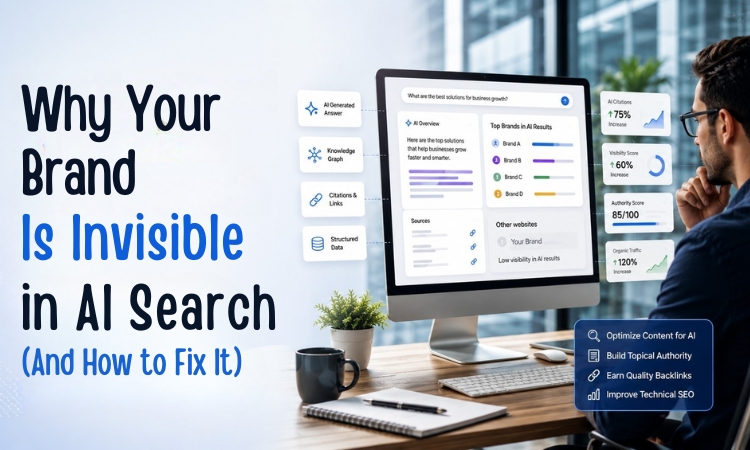
Why Your Brand Is Invisible in AI Search ChatGPT, Perplexity, and Google AI Overviews are skipping your brand. Learn why AI search engines ignore you and the exact steps to get cited and recommended.
Also Read →
2. Create More Relevant Ad Creatives
Even with good targeting, your ad can still attract the wrong people if the message is too broad. People should understand what you’re offering and why it matters within a few seconds.
A clear ad can sometimes filter out low-intent users before they even click.
Address The Audience's Main Problem
Start with the problem your target customer actually has. If you’re selling a software solution for small businesses, talking about complicated enterprise features may not connect with that audience.
Instead, focus on the specific issue they’re trying to solve. The closer the message is to their real concern, the more likely you are to attract relevant clicks.
Make The Message Clear And Specific
Avoid vague lines that could apply to almost any business. Tell people what the product or service does, who it’s for and what they can expect.
A specific message can also discourage people who aren’t a good fit. That’s useful because not every click needs to become a lead.
Highlight The Key Benefit
Think beyond features. Explain the practical value.
If your service can help businesses save time, improve conversions or reduce operational work, make that benefit easy to understand. One strong benefit is often better than filling the ad with five different claims.
Use A Relevant CTA
Your CTA should match what you’re asking people to do. “Book A Consultation” makes sense for a high-consideration service, while “Get A Quote” may work better when pricing is the next logical step.
A good CTA sets the right expectation before the person submits their details.
How to Generate Leads from SEO How to Generate Leads from SEO with high-intent keywords, engaging content, and smart strategies that turn traffic into real customers.
Also Read →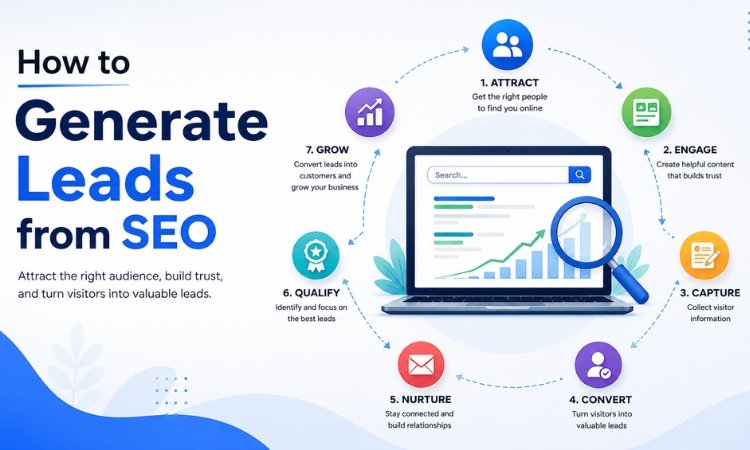
3. Optimize Your Landing Pages
The ad gets the click, but the landing page has to do the rest. If someone reaches a page that feels unrelated, confusing or difficult to use, your campaign can lose potential leads before they even fill the form.
A few basic changes can make the journey much smoother.
Match The Landing Page With The Ad
If your ad talks about a particular service, the landing page should continue that same conversation. Don’t make users search through your website to find what they clicked for.
The headline, offer and overall message should feel connected. When the experience is consistent, people are less likely to wonder if they’ve landed in the wrong place.
Keep The Page Simple And Focused
A landing page doesn’t need every detail about your company. Too much information can distract people from the action you want them to take.
Keep the main offer clear. Remove unnecessary navigation and make the next step obvious.
Add A Clear CTA
Your CTA should be easy to find and understand. Whether it’s “Request A Callback”, “Book A Demo,” or “Get Started”, the visitor shouldn’t have to guess what happens after clicking.
This is particularly important on mobile, where people are working with a much smaller screen.
Add Reviews And Trust Signals
People may hesitate before sharing their contact details, especially when the product or service is expensive. Customer reviews, testimonials, certifications, case studies and other relevant trust signals can help reduce that hesitation.
Don’t overload the page with them, though. A few strong and genuine signals are usually more useful than a wall of logos.
Make The Page Mobile-Friendly
A large share of paid traffic can come from mobile devices. If the form is difficult to fill, the text is too small or the page takes too long to load, the campaign can suffer.
Check your landing page on an actual phone, not just your desktop. Small usability problems become very noticeable there.
4. Qualify Leads Before They Reach Sales
More leads aren’t automatically better leads. If your sales team spends most of its time chasing people who were never a fit, the campaign may look successful in the ad dashboard while the business sees little value.
Lead qualification can help solve this gap.
Add Relevant Questions To The Lead Form
Your form can ask questions that help you understand whether the person is actually interested. Depending on the business, this could include company size, service required, location or type of project.
Don’t add ten questions just because you can. A longer form can also discourage good prospects from completing it.
Ask About the Budget And Purchase Timeline
For some businesses, the budget and purchase timeline are useful indicators of intent. Someone looking to purchase next week is very different from someone who is only researching options for next year.
Use questions that sales can actually act on. Otherwise, you’re adding friction without gaining much information.
Separate High-Intent And Low-Intent Leads
Once you have the information, create a sensible way to distinguish stronger prospects from weaker ones.
This can help your sales team prioritise follow-ups. It also gives you better information when deciding whether you should lower the cost per lead or focus on improving lead quality first.
5. Focus Your Budget On What Works
Not every campaign, ad set or keyword deserves the same amount of budget. Some may bring a lot of leads, but those leads may rarely move forward.
Look beyond the cheapest CPL and check where your useful leads are actually coming from.
Move Budget Towards Better-Performing Campaigns
If one audience consistently produces qualified leads while another gives you cheap but irrelevant enquiries, the first one may deserve more budget.
Don’t make the shift based on one good day. Look for a pattern across enough data before making major changes.
Review Your Ads And Placements
Some creatives can generate clicks cheaply but produce weak leads. Others might have a slightly higher CPL while bringing people who are much more interested.
This is where a digital marketing consultant may look beyond the headline CPL and compare the campaign with deeper business outcomes.
6. Improve Your Lead Follow-Up
A good lead can become a bad-looking campaign result simply because nobody followed up on time. People move on quickly, especially when they’re comparing several businesses.
Your sales process matters almost as much as your advertising.
Respond While The Lead Is Still Interested
Try to contact leads as soon as reasonably possible. A quick call, email or WhatsApp message can keep the conversation moving while the original interest is still fresh.
If leads regularly sit untouched for several hours or days, changing your ad targeting alone may not solve the problem.
Build A Clear Follow-Up Process
Decide who contacts the lead, when they contact them and what happens if the person doesn’t respond.
A simple process can prevent good enquiries from getting lost. It also creates cleaner data, which later helps you understand which campaigns are actually working. If you are unclear on the follow-up process, then get in touch with a PPC Consultant in India for the best results.
7. Measure Lead Quality, Not Just CPL
CPL is useful, but it should not be the only number you watch. A campaign with a ₹300 CPL isn’t necessarily better than one with a ₹500 CPL.
The real question is what happens after those leads arrive.
Track What Happens After Lead Generation
Look at qualified leads, sales conversations, appointments, conversions and customers generated from each campaign. These numbers can show whether the lower CPL is actually helping the business.
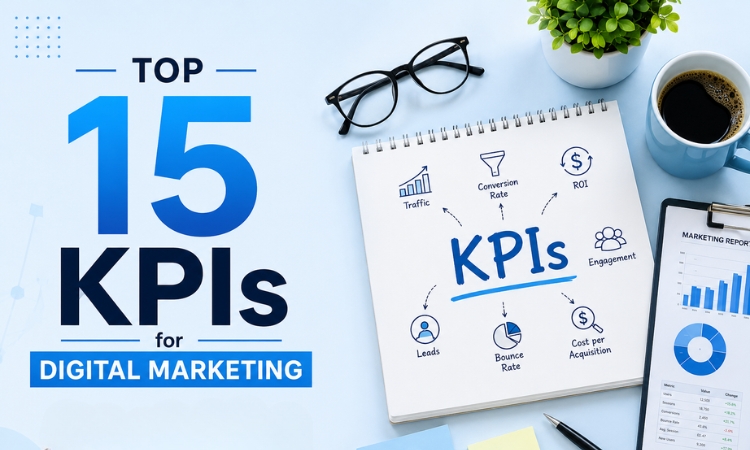
For marketers, this broader view is also useful when deciding which KPIs for Digital Marketing should be reviewed regularly.
Compare CPL With Actual Business Results
Imagine Campaign A gives you 100 leads at ₹200 each, but only five become qualified prospects. Campaign B gives you 60 leads at ₹350 each, but 15 become qualified prospects.
Campaign B has a higher CPL, but it may be doing a much better job for the business. That’s why cost and quality need to be looked at together.
Common Mistakes To Avoid
Reducing CPL sounds simple until you start optimising campaigns only for the number shown in the dashboard. That’s when quality can quietly disappear.
Keep these common problems in mind before making major changes.
- Focusing Only On The Lowest CPL
The cheapest lead isn’t always the most valuable one. Check what happens after the lead enters your sales process.
- Optimizing For Quantity Instead Of Quality
A large lead count can look impressive, but irrelevant enquiries consume time and money. Make qualified leads part of your measurement.
- Using Overly Broad Targeting
Broad targeting can increase reach, but it can also bring people who don’t match your customer profile. Start with a clear understanding of who you’re trying to reach.
- Using Misleading Or Clickbait Ads
A dramatic promise might get clicks, but it can attract people who aren’t looking for what you actually sell. Your ad should set an honest expectation.
- Ignoring Landing Page Quality
Don’t blame the campaign immediately when conversions fall. The landing page may be where people are dropping off.
- Delaying Lead Follow-Up
A lead that isn’t contacted in time can easily lose interest. Advertising and sales need to work together here.
- Making Decisions With Too Little Data
One expensive day doesn’t necessarily mean your campaign is broken. Give changes enough time and data before deciding what stays and what goes.
Conclusion
Learning how to lower CPL isn’t about chasing the smallest possible number. It’s about finding the point where your advertising brings in relevant people at a cost the business can actually support.
Start with your audience, then look at the ad message, landing page, qualification process and follow-up. Each part affects the final cost and quality of your leads.
If you have campaigns with plenty of data but not enough results, get in touch with the best or performance marketing expert to get the most out of your marketing efforts. The right optimisation is usually not one dramatic change. There are several useful changes made after looking at what the numbers are actually saying.
Frequently Asked Questions
1. What is CPL in digital marketing?
CPL stands for Cost Per Lead. It tells you how much you’re spending on average to generate one lead from a marketing campaign.
2. What is a good CPL for lead generation?
There is no single CPL that is good for every business. It depends on the industry, product price, customer value, competition and how many generated leads eventually become customers.
3. How can I reduce CPL without getting low-quality leads?
Focus on better audience targeting, relevant ad creatives, stronger landing pages and lead qualification. Most importantly, measure qualified leads and conversions along with CPL.
4. Why does my CPL increase over time?
CPL can rise because of audience saturation, higher competition, weaker creative performance, changes in ad costs or declining conversion rates. Checking each part of the campaign can help identify where the increase is coming from.
5. Should I focus on CPL or lead quality?
You should look at both, but lead quality is usually more meaningful for the actual business outcome. A slightly higher CPL can still be worthwhile if those leads convert into more customers and revenue.
