

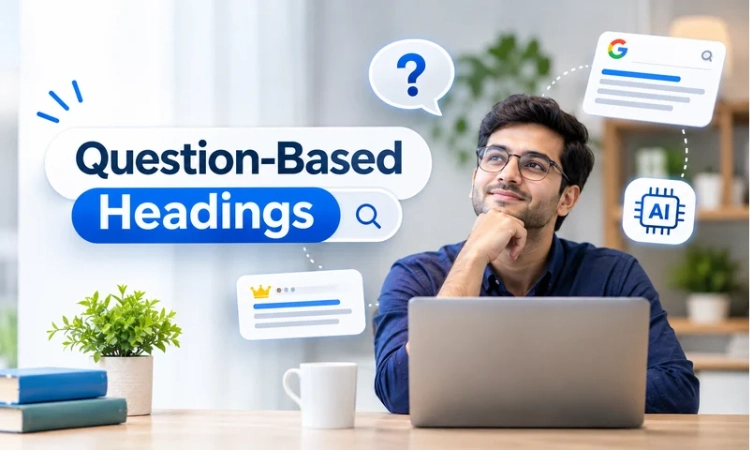

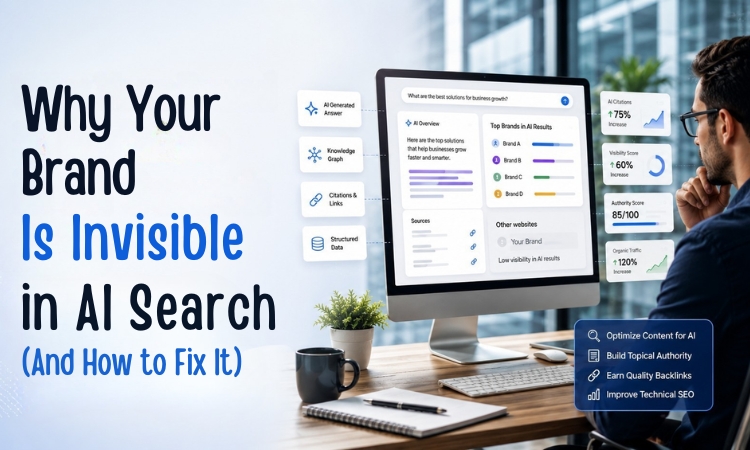
That’s the way the users of the web have fundamentally changed. People that are no longer just the fragmented keywords will ask conversational questions. For capturing the intent, modern marketers turn to question-based headings. Structuring the content this way is the way for the ultimate secret weapon towards capturing both traditional featured snippets as well as AI citations. If you have been wondering why your brand is invisible in AI Search, adoption of this simple structural shift can be the exact missing link that needs to reclaim the visibility.
Table of Contents
ToggleWhat Are Question-Based Headings in SEO?
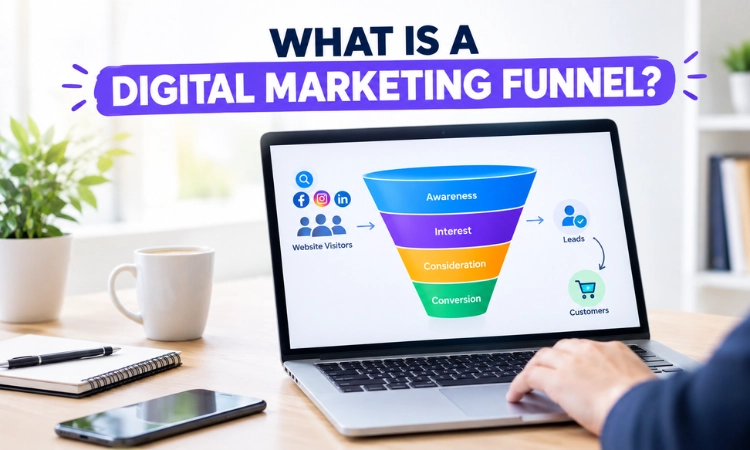
Questions-based headings in SEO that can refer to the practice for formatting the H2 and H3 tags that are direct, natural-language questions. (for instance: What is a digital marketing funnel? Instead of just “Digital Marketing Funnels.”
This type of technique will generally mirror how humans speak and how the modern search algorithms, powered by NLP (Natural Language Processing), interpret queries. By framing the headers for your questions, you do create a clear, logical SEO content structure that will signal for both of the users and search engines exactly what type of problems follow that section that will solve.
Why Do Question-Based Headings Help Win Featured Snippets?
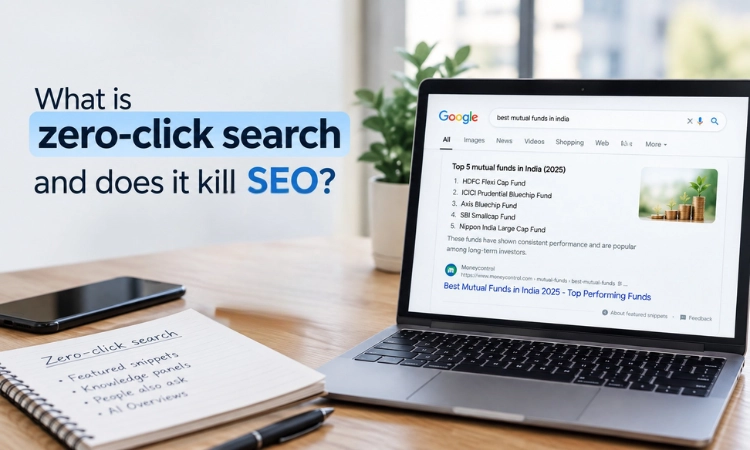
The featured snippets algorithm (generally called “Position Zero”) is designed for finding the most concise answer for answering the user’s query, plus the paragraph in an immediate manner that provides an almost clear, 40- to 60-word answer that you become the prime real estate for that snippet.
That’s especially critical for the era of what is zero-click search. While the different users can get the answers without clicking through the site, winning those snippets grants your brand massive top-of-page visibility, authority, and a significant boost through complete CTR (Click-Through Rate) for different related queries.
How Do Question-Based Headings Improve AI Citations?
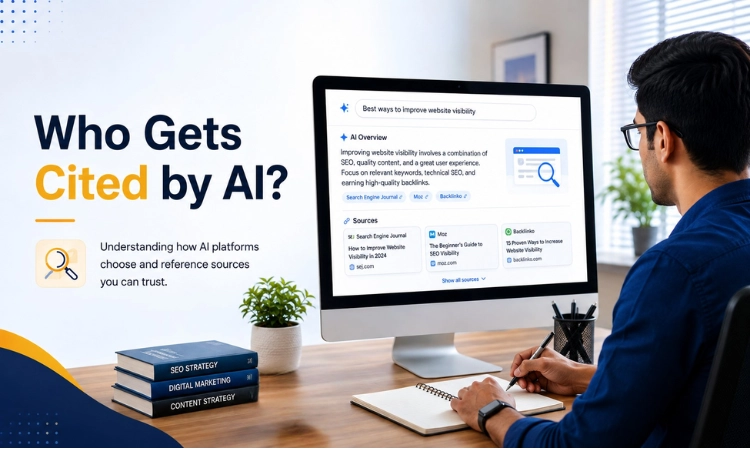
AI search models like the Google AI overviews, ChatGPT, Copilot, and Perplexity generally operate via scraping those direct, factual, and well-structured answers on the web. The AI-citations in SEO rely heavily on clarity.
When the AI models encounter the question-based heading followed by a definitive, well-sourced answer, that treats the section as a highly reliable extraction point. Instead of guessing the right context for a broad topic, the AI can confidently pull the specific answer and cite the URL for the source. This actually makes question-based formatting a perfect non-negotiable pillar for AI search optimization.
What Types of Questions Should You Use in SEO Content?
The most effective questions that align with the classic “5 Ws and 1H”: Who, What, Where, When, Why, and How.
For finding the right questions, just look at Google for “PAA (People Also Ask)” boxes and autocomplete suggestions, as well as the community forums like Quora and Reddit. Mapping these real users’ queries for the content forums is the major backbone for a highly effective question-based SEO strategy.
How to Write Question-Based Headings That Rank?
For maximizing the chances for winning the snippets along with citations, just follow the actionable rules:
- Match headings with real user search queries: Don’t just guess. Use the keyword research tool for finding out the exact phrasing for your audience’s users.
- Keep questions that are specific and natural: Avoid any kind of robotic or keyword-stuffed phrasing. Write as in how humans can ask that question.
- Answer the question in an immediate manner below the heading: Use the “inverted pyramid” style. Simply give a direct answer for those first 1 to 2 sentences before you can add deeper context.
- Use Simple Language as Well as Factual Information: Clarity actually builds trust and aligns perfectly under the Experience, Expertise, Authoritativeness, and Trustworthiness (E-E-A-T) of Google’s guidelines.
- Add relevant examples, lists, or tables where needed: AI models, along with the algorithms of Google, actually love structured data. A bulleted list for “How to question” that’s likely to be featured.
What Are the Common Mistakes to Avoid?
Even with the best of intentions, marketers generally sabotage their own efforts. Avoid any kind of pitfalls for maintaining SEO Headings best practices:
- Using irrelevant questions to only include keywords: This can confuse readers and dilute any kind of topical relevance.
- Writing confusing or overly long headings: Keeping headings crisp and punchy and below 60 characters whenever possible.
- Delaying the answers through unnecessary introductions: Any kind of fluff or delay in answer kills snippet opportunities. Just get straight to the point.
- Repeating similar questions across multiple sections: This can cause any kind of keyword cannibalization and frustrate users.
- Over-optimization of content at the cost of readability: Write for humans first, always, and algorithms later.
How to Optimize Existing Content With Question-Based Headings?
You don’t need to always write that new content to get results. For question based content optimization for existing pages under high-ROI tactics.
Do audit the top 10 to 20 performing blog posts. Identify the main H2s plus rephrase them for direct questions that are based on the PAA data. Then, edit that first of the paragraphs under each of the headings for ensuring that it can deliver a highly crisp, plus standalone, answer. Some monitor tweaks that can breathe life into aging content as well as trigger fresh snippet opportunities.
Do Question-Based Headings Guarantee Featured Snippets or AI Citations?
No, under SEO, there are no basic and absolute guarantees. While the question based headings increase the probability of it being featured, the AI models and Google actually weigh high on those important factors. Your complete domain authority and mobile usability, along with comprehensive quality for the surrounding content, all can play a role for the final decision.
Conclusion
The search under conversational search plus AI-driven answers is not a temporary trend; this is the perfect foundation for organic visibility. For strategic implementation for question-based headings, you can make your content highly digestible for both the human readers and machine-learning algorithms.
If you need to ensure that the website is optimized for the best era of search, do consider partnering with the best SEO expert in India. An SEO professional that can help restructure the digital marketing funnel, ensuring that each piece of content gets primed for winning on the featured snippets, driving measurable growth, secure AI citations.
