


These days your customers simply ask CoPilot, ChatGPT, Gemini, Grok, or Perplexity before they ask Google. If your brand is not just for those answers, you can lose sales before a click becomes possible.
The data depicts that it is brutal. Research done by Ahrefs found that AI Overviews can easily cut CTR (Click-Through Rate) by 34.5%, as Pew research depicts that a traditional result is just 8% of the visits for an AI summary versus 15% without the one.
The right problem: most teams will measure only rankings with the sessions. The guide will show how to track the AI visibility properly, first for the free methods and second for the paid tools, along with the metrics that can actually mean something.
Table of Contents
ToggleWhat Is AI Search Visibility?
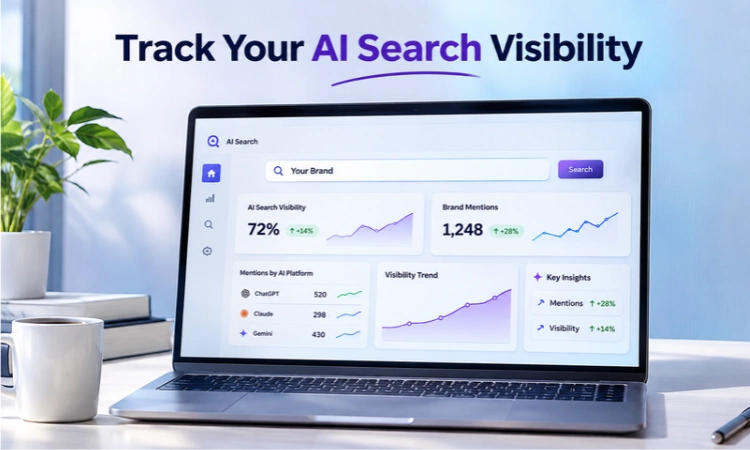
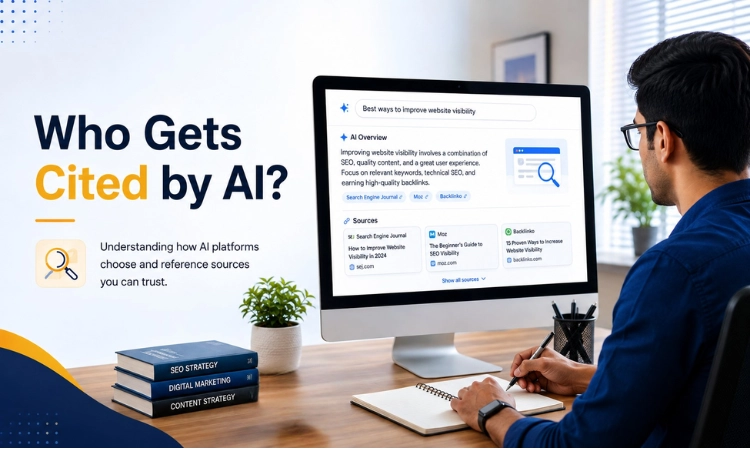
AI Search Visibility can mean the AI tools mentioned, recommended, or linked in the brand when you answer questions for the category. This covers the three things: citations (the URL is linked), mentions (the name appears), and sentiment (how that’s described), along with the sentiment (how that’s described).
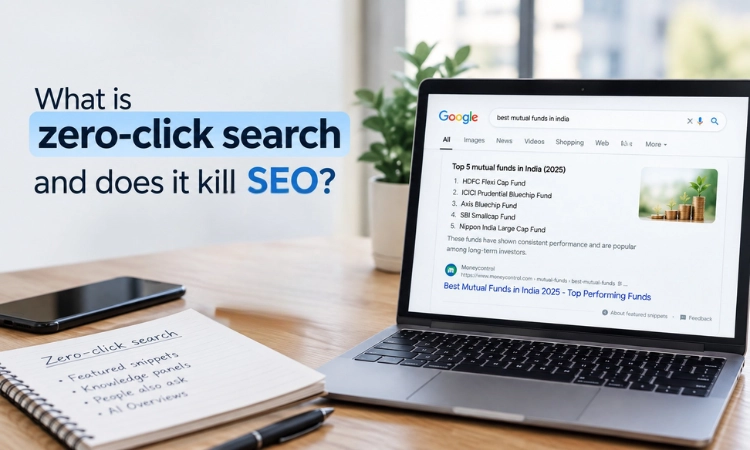
This matters due to zero-click behavior. If you’ve wondered about the zero-click search, that’s when the users get their answers without you clicking on the website. Hubspot’s 2025 AI Trends report for 31% of Gen Z already for the chatbots for finding information. The AI for the front page.
How to Track AI Search Visibility, Step by Step
Step 1: Build Your Prompt List
Picking the 20 to 50 prompts that the customers can actually ask. Cover these four tips:
- Brand: What is a [Brand] and [Your Name]’s reviews?
- Category: best SEO consultant in India
- Cost/Comparison: “How much does SEO cost in India?” or [competitor] or [you].
- Best for: “Top digital marketing consultant for D2C brands”
Sourcing of the real prompts from the Search Console queries. “People Also Ask” sales call notes for Quora and Reddit threads. Use these exact words, customers, not the keyword phrasing.
Step 2: Test Prompts Manually Across Platforms
Run each of the brands in ChatGPT, Perplexity, Gemini, Google AI Mode, Claude, or the AI overview. The two rules are to use logged-out or incognito sessions, and for repeating each prompt for 2 to 3 times, the AI answers change for each refresh.
Log in everything for the simple sheet:
Prompt | Platform | Date | Position | Mentioned? | Cited URL | Sentiment | Competitors named |
best SEO Expert in India | Perplexity | 26 Nov | 2nd | Yes | /seo-expert/ | Positive | X, Y |
Compare the impressions against clicks. Pages have the high impressions for falling clicks that are visible yet lose traffic for AI answers. These pages that have high impressions for falling clicks are visible yet losing the AI answers. Those pages that need the citations-worthy rewrites, not more keywords.
Step 3: Check Google's Own Data
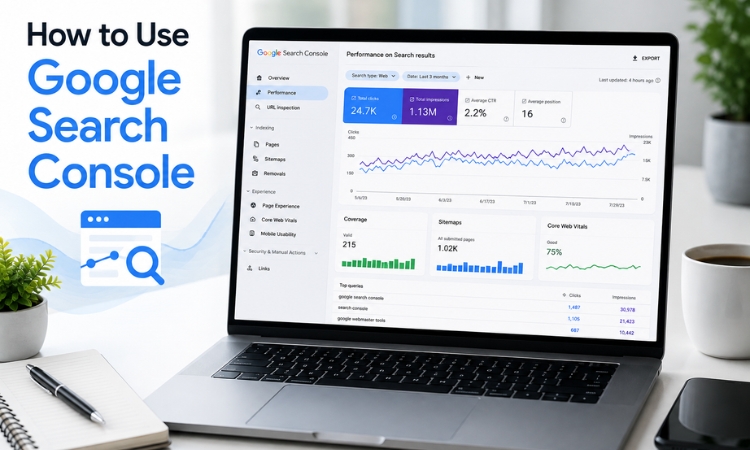
Search Console counts the AI overview for AI Mode impressions inside the regular Web Performance reports. The limit: there’s no separate AI filter, so you will not isolate AI visibility cleanly. Google has confirmed logging bugs that will cause reported impressions to drop, treating these numbers as directional and acting.
Step 4: Track AI Referral Traffic in GA4
For GA4, go to Admin – Admin Display – Channel groups for creating the custom “AI Search” channel. Matching the chat.openai.com, chatGPT.com, perplexity.com, gemini.google.com, copilot.microsoft.com, and claude.ai.
Looking beyond sessions: check key events and engagement rates along with conversions. The AI visitors will arrive pre-qualified plus convert much better than average. Be honest here about the gap: much of the AI influence can show up as branded or direct traffic, because the users read your name for answering and search you later. Referral data understates AI’s real impact.
Step 5: Watch Branded Search and Direct Traffic
A rise in the branded queries after you start earning the AI citations for that strong indirect signal. Tracking branded query growth for Search Console for watching direct traffic in GA4. When the AI recommends you, people that come looking for you by name.
Step 6: Review and Repeat Monthly
The AI search performance tracking that works for the trend, not just the snapshot. Rerun those same prompts, on the same platforms each month, with the same wording. One check will tell you nothing; the six checks will tell you whether you can work. That’s moving the needle.
Which Metrics Matter for AI Search Performance Tracking
Metrics | What That tells you | Where to get it |
Mention rates | % of the prompts where the brand appears | Tracking tool or manual tool |
Citation rates | % of the answers links to your site | Brand Radar, Manual Sheet, Otterly |
Share of voice | Your competitors’ vs mentions | Semrush, Profound, |
Sentiment & accuracy | Is AI describing you correctly? | Read answers; Errors + Long Tone |
Cited pages | What type of your URLs for AI uses | Citation reports towards tracking tools |
AI sessions & conversions | Real business impact | GA4 custom AI channel |
Why Mentions will deserve attention: Ahrefs’ 2026 study for 1.9 million for AI citations found around 76% that come from the different pages already ranking for the Google Top 10; the brand mentions were the strongest factor that correlates to the AI overview visibility. That’s being talked about across the web beats owning the keyword alone.
Best AI Search Monitoring Tools
Free: Manual Sheet + Search Console + GA4, along with the Hubspot’s AI Search Grader for that one-time baseline. Best for: Proving the right concept before you spend.
Mid-range: Semrush’s AI Visibility Toolkit, Hubspot AEO, Ahrefs Brand Radar. Best for: complete monthly tracking without the enterprise budgets.
Enterprise: Profound. Best for: large brands that need deeper prompt analytics.
Tools | Platforms covered | Starting price | Best for |
Otterly | Choose from 7 engines incl. ChatGPT, Perplexity, Google AIO/AI Mode | $29 per Month | Cheapest basic serious entry point |
HubSpot AEO | ChatGPT, Gemini, Perplexity | $50 per Month | HubSpot CRM users |
Peec AI | 3 models on Starter (Perplexity, ChatGPT, Google AIO) | $95 per Month | Clean share-of-voice reporting |
Semrush AI Toolkit | Gemini, ChatGPT, Perplexity + Google AI | $99 per Month per domain | Existing Semrush users |
Ahrefs Brand Radar | AI Mode,AI Overviews, Perplexity, ChatGPT, Claude, Gemini. | $199/mo per platform + Ahrefs plan | Citation data under SEO scale |
Profound | Major engines towards enterprise coverage | Custom enterprise pricing | Deep analytics, big teams |
How to choose—quick checklist:
- Check GA4 first.
Pay for those platforms that can send you traffic.
Why: If approx. 80% of the AI visits come from ChatGPT, do not pay extra for engines that your audience does not use.
- Confirm that it tracks those exact prompts, not some generic keywords.
Why: Real customers ask complete/full questions. Those keyword-style tracking misses how people can use AI tools.
- Do make sure that it separates mentions from citations.
Why: A 30% mention rate sounds good, until you understand that competitors appear in around 80% of the same answers.
- Calculate the Real Cost—Some Tools Charge for Per Platform or Per Model
Why: A $29 base plan will easily become $400/month once you factor in Claude, CoPilot, Gemini, and other AI mode tracking.
- Confirm that it stores history; trends do matter more than those single scores.
Why: A single snapshot tells you nothing about nothing. With six months of data, it proves whether your optimization procedure actually worked.
How to Track Brand Mentions in AI Search (Beyond Links)
Unlinked mentions that count. AI often recommends the brands for names without linking anything, and the users still search for you afterward.
The three practical ways for tracking them:
- Run Brand Prompts Monthly: (“What is [brand]” and [brand] reviews) and log how AI can describe you.
- Record which third-party sources AI cites about the category and review the sites, Reddit threads, listicles, and Wikipedia. Nearly 49% of the AI overviews that come from the “best” list posts, according to Ahrefs’ 2026 research. Those of the pages for your PR.
- Check Accuracy: Wrong pricing or the old features that mean AI is featured from the outdated sources—find and fix them.
That’s how AI search chooses citations: it trusts what the wider world repeats consistently.
How to Act on What You Find
- Not Mentioned anywhere?
Create the content that answers the prompt directly, plus earn placement for sources AI already cites. If you’ve asked “Why is your brand invisible in AI search?” this is actually the answer.
- Mentioned but not cited?
Adding in clear facts, structured sections, original data, direct answers, FAQs, and tables so AI can lift from the pages.
- Competitors
Compare what exactly the pages plus mentions that will cover that you don’t. Build the perfect comparison and the “best” content that you lack.
- Wrong Information
Fix your site first, then these third-party profiles, reviews, directories, and social bios. Consistency is what AI trusts.
An AI SEO expert in India that can run that audit faster, but that system above that works even if you do that yourself.
Conclusion
The AI search visibility tracking is not much optional; that’s how you learn whether buyers, the AI assistants that even know that exist. Build a prompt list, watch mentions, test monthly, and connect the data for GA4. Start with the free stack for this week, for this week. The brands that work on how to track AI search through AI Brand Visibility will own the answer tomorrow.
Frequently Asked Questions
How do I check if my brand appears in ChatGPT?
Open that in an incognito session that can run your category, brand, and comparison brands. Log whether you’re mentioned, cited, or described accurately. Repeat that 2 to 3 times, since the answers change between the refreshes.
Can I track AI search visibility for free?
Yes, use the manual tracking sheet, GA4, and Search Console channel groups. Hubspot’s free AI Search Grader can add that one-time baseline score across Gemini, ChatGPT, and Perplexity.
Does Google Search Console show AI Overview and AI Mode data?
Yes, but that’s blended into the standard Web Performance reports for the no-dedicated-AI filter. Google has confirmed logging bugs that affect impressions, so you can treat numbers as directional rather than just exact.
How do I see traffic from ChatGPT and Perplexity in GA4?
Create a custom channel group matching the AI referrer sources (Perplexity, ChatGPT, Claude.ai, Gemini.google.com). Then compare the engagement along with the conversions from the channel against the organic search.
How often should I monitor AI search performance?
Monthly for most of the brands, weekly during the active optimization pushes. Always reuse the same prompt wording and the platforms, a consistency that makes trends trustworthy.
