


Zero-click search will not kill SEO. This is going to destroy lazy SEO.
Marketers start panicking when they see traffic dropping, blaming the new search landscape. But the reality is simple: search engines can answer questions based on page results. If the strategy relies directly on getting users to click on the basic information, you will definitely fail. If the strategy focuses on visibility, brand authority, and capturing high-intent buyers, you can win.
Here’s the perfect breakdown of that zero-click search and how you can dominate that. Let’s get to know this in this blog.
Table of Contents
ToggleWhat Is a Zero-Click Search?
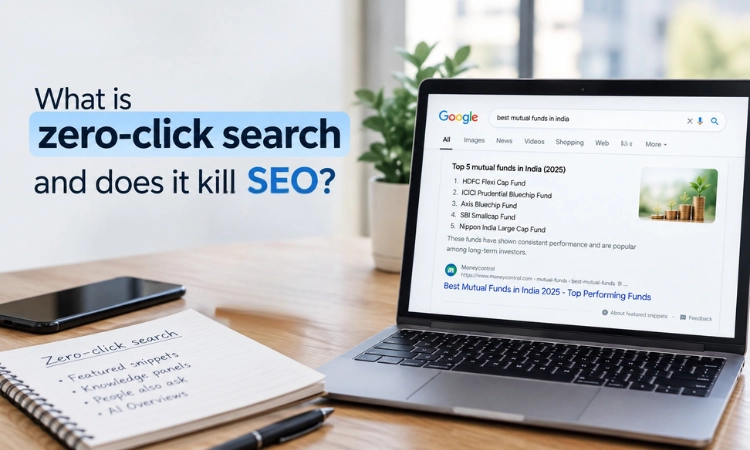
What is zero-click search? This is a search query where the user can find the answers directly for the SERP (Search Engine Result Page) without even clicking on those undergiven organic results. The search engine will provide the answers super-fast.
Some of the common zero-click search examples are finding a definition, checking the weather, looking up the stock price, and calculating math problems. The user gets the answer quickly, and the search session just ends at SERP.
Generative Engine Optimization in 2026Also Read → |
 |
How Common Are Zero-Click Searches in 2026?
The zero-click search is the dominant behavior for modern search.
According to the 2025 report given by SpartToro, around 65% of the searches done on Google were actually zero-click searches. Also, research done by PewResearch in 2024 found that the users that encounter the AI summary that click on traditional search results are just around 8% of the visits, compared to 15% when exactly no AI summary is presented.
Those latest zero-click searches from the 2026 AHREFS analysis show that AI overviews can trigger for around 21% of the keywords, thus heavily accelerating that zero-click trend. Through the zero-click search statistics, the vast majority of these search sessions thus conclude for the single click towards an external website.
Why Zero-Click Searches Are Rising
These are the specific features that can drive a bigger shift for the user behavior:
Featured snippets and "position zero"
Google extracts those direct answers from the web pages and displays them at the basic top for SERP. The “position zero” satisfies the simple information queries quickly, removing the need for the user to click through the source website.
Knowledge panels, People Also Ask, and instant answers
The knowledge panels can provide the immediate facts for people, businesses, and places, just on the right side of the desktop SERP. the PAA (People Also Ask) for the boxes towards expanding the instant answers for related questions. The features that trap users for the search page for continuously feeding this information.
AI Overviews and AI Mode - the accelerant
The generative AI is the primary catalyst for that current zero-click explosion. The AI overviews for the AI mode that can synthesize from multiple sources for writing comprehensive, custom answers at the top of the page. That’s why many publishers fear AI overviews killing website traffic. The AI satisfies complicated, multi-layered questions that can previously be required for the users for the three or four different articles.
Let’s look at how the zero-click searches are rising in a tabular format to give you a quick and simple answer:
Search Features | How This Works | Why It Drives Zero-Clicks |
Featured Snippets (“Position Zero”) | Displays answers that are direct from web pages through the top of search results. | Quickly provides the answers to basic queries, thus removing needs for visiting a website. |
Knowledge Panels & PAA | Shows quick facts at the sides of screen & expand the answers for related questions | Keeps those users trapped on the search page for continuous feeding of fast information. |
AI Overviews & AI Mode | Uses generative AI for synthesizing those sources for custom, comprehensive answers at top position. | Quickly solves complicated & multi-layered questions, than just searching for multiple facts previously |
What Is a Digital Marketing Funnel and How Does It Work?Also Read → |
 |
Does Zero-Click Search Actually Kill SEO?
No, the narrative is SEO dead because of AI; that’s entirely false.
The zero-click search kills information search. This does not kill brand authority and does not kill that commercial intent. When the user starts searching for those quick facts, they just don’t want to click somewhere. When the user searches to buy a product or compare the complicated software or book a service, they can click.
SEO is actually not dead; it has evolved highly. The goal is no longer just about capturing the clicks towards basic information. The goal is not about capturing clicks for providing basic information. The goal right now is to secure the right kind of brand visibility for that zero-click answer plus capture clicks that will drive revenue.
Which Searches Are Still Worth Optimizing For
For aggressive optimization of transactional, commercial, or complicated navigational queries. The users don’t just buy some enterprise solution or purchase some B2B service or book that luxury vacation only based on an AI summary. They can click through for comparing pricing, evaluate certain trust signals, and read detailed reviews. The informational queries can remain those basic zero-click searches. Both the commercial and transactional queries do require clicks. Only focus on those resources where the finances are.
How to Adapt Your SEO Strategy for a Zero-Click World
You need to shift that grand brand strategy from chasing clicks to getting a highly commanding visibility. This is how to execute this kind of transaction:
- Structure content to win featured snippets and AI citations
Give your answers fast. Do not bury it under loads of content. Start your blogs with quick and easy 40- to 60-word answers for that target query. Use clear H2 and H3 headers, tables, and bullet points. If you need to understand how to rank in AI overviews, you should format the content so the machines can easily extract and summarize that.
- Track impressions and brand visibility, not just clicks, as a success metric.
Clicks are not just about the metrics that matter. Use those top AI SEO tools for tracking brand impressions, share of voice, or AI citations. If the content gets cited as an AI overview, then millions of users will get to know your brand name, even if they do not click that. This will build huge brand equity.
- Double down on commercial and transactional keywords where clicks still happen
Reallocate the content production budget. Spend less time writing basic “what if” articles that can never generate that click, and spend more time on the creation of those high-converting product pages, detailed comparisons, and guides, along with the pricing pages that can easily capture those high-intent buyers that are ready for clicking on purchase.
- Build entity and brand authority so you get named/cited even without a click
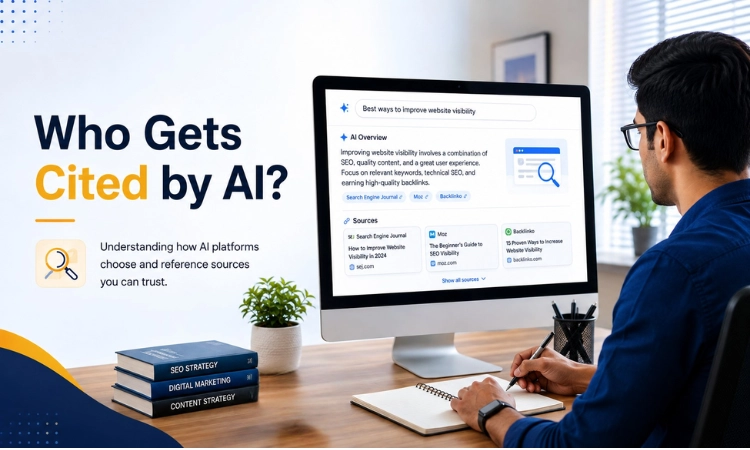
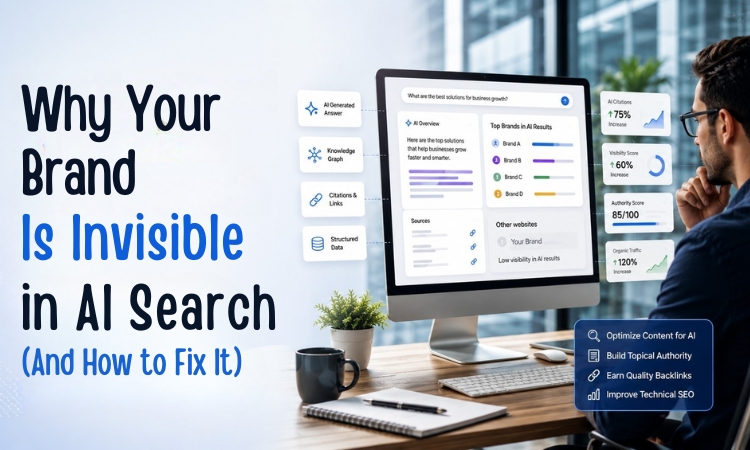
You need to understand how AI search chooses citations. The AI models can cite brands that can recognize those authoritative entities. If the brand is invisible in AI search, you will lose. Earn mentions on those high-authority industry publications, secure the YouTube
Features, as well as creating a strong footprint in digital PR. AI trusts what the whole internet trusts.
- Use schema markup to make content machine-readable for AI summarization
Implement strong structured data. Use FAQPage, Article, Product Schema, and HowTo. While these AI models generally read raw texts, schema will help traditional search bots understand the content, which can feed the RAG (Retrieval-Augmented Generation) process that AI uses for selection of different sources. An AI SEO expert in India will actually prioritize that technical schema for the foundation of AI visibility.
Conclusion
The zero-click search is that permanent reality for the modern internet. This does not kill SEO; this is about getting SEO to mature even further. Do not cry over those informational clicks that got lost. Instead, adapt a bigger strategy to dominate the AI citations, build unspeakable brand authority, and capture those high-intent commercial searches that will drive revenue.
The brand that can adapt will win this new search landscape of zero-click search. Just start now by auditing your top 10 pages for answers, pitching three major authoritative websites, and implementing schema markup for the brand mentions under this month. The real zero-click era will reward those brands that will show up everywhere and not only on the websites.
Frequently Asked Questions
Is zero-click search bad for SEO?
The zero-click search is not that bad for SEO; this actually forces traditional SEO to mature. This easily trumps that lazy SEO that works on just traffic. This rewards those brands that can build robust authority, target high-intent queries, and dominate AI citations.
What percentage of Google searches are zero-click?
Based on the report by SparkToro in 2025, around 65% of the Google searches done by users ended up based on zero clicks. In addition, the 2026 AHREFs data shows that the AI overviews can trigger around 21% of all the keywords, thus accelerating this trend.
How do I optimize for zero-click search?
Optimize that by providing direct, 40-word answers that are early in the content. Build strong topical authority that can cover these fan-out queries, implement the data schema, and earn the high-authority brand mentions that can secure in AI citations.
Will AI Overviews replace organic search results?
No, the AI overviews cannot replace those organic results. They can dominate those international queries, but the users can click on the organic links for transactional and commercial research. These can coexist, thus shifting SEO focus for brand visibility.
