




A person can discover a brand on Google today, follow it on Instagram tomorrow, read a blog next week and finally become a customer a month later. Online buying rarely happens in one straight step. There are usually several small interactions in between, and each one can influence whether someone moves closer to a purchase or simply disappears through a lead generation funnel.
This is where a digital marketing funnel becomes useful. Instead of treating every visitor, follower or lead in exactly the same way, a funnel helps businesses understand where people are in their buying journey and what they may need next.
For a growing business, this matters quite a lot. Getting people to your website is one thing, but helping them move from first discovery to enquiry, purchase and repeat business is where the real marketing work starts.
Table of Contents
ToggleWhat Is a Digital Marketing Funnel?
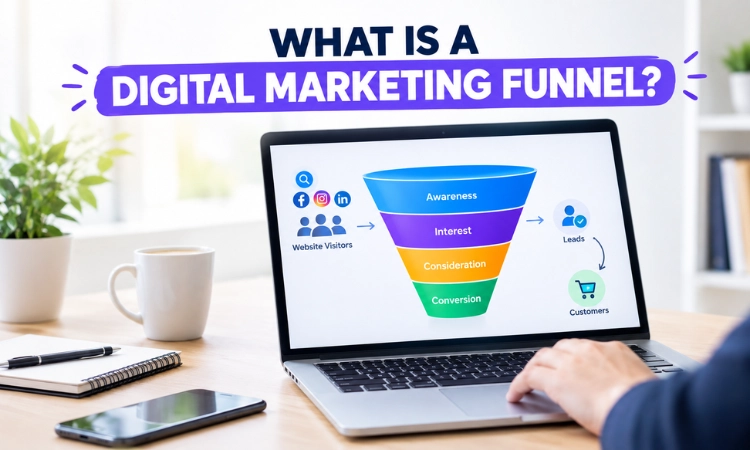
A digital marketing funnel is a framework that shows how a person moves from first discovering a business online to becoming a customer and, ideally, staying with the brand afterwards. It gives marketers a way to organise different activities according to where a potential customer is in their journey.
Think of it as a map rather than a strict path. Someone may discover your company through Google, while another person might first see you on social media. They can enter at different points, leave for some time and return later. The funnel simply helps you understand these movements better.
The idea behind a funnel in digital marketing is fairly straightforward. At the top, there may be thousands of people who have never heard of your brand. As they develop interest, compare options and eventually make a purchase, the number of people usually becomes smaller.
A random marketing campaign, on the other hand, may have several good activities but no clear connection between them. You might run Google Ads, post on Instagram and publish blogs, but if these activities are not helping people move towards a specific next step, the overall strategy can become difficult to measure.
A structured funnel connects these activities. It asks a simple question at every stage: what does this person need right now, and what should encourage them to take the next step?
How Does a Digital Marketing Funnel Work?
The basic idea behind how digital marketing funnel works is that people don’t usually make a buying decision immediately after finding a brand. They first need to notice it, understand what it offers, decide whether it is relevant and then feel confident enough to take action.
At each stage, a digital marketing consultant uses different content, channels and messages. A person who has never heard of a company doesn’t need the same message as someone who has already requested a quotation.
This is also why one campaign cannot always do everything. A social media post may be excellent for generating awareness, but it may not be enough to convince a high-intent prospect to purchase a ₹1 lakh service.
The funnel gives every marketing activity a purpose. SEO can bring people into the journey, content can answer their questions, remarketing can bring them back, and email can keep the relationship active.
A good funnel is also not completely linear. People can move backwards, skip stages or spend a long time in one stage. The framework is there to make the customer journey easier to understand, not to force every person through identical steps.
What Are the Main Stages of a Digital Marketing Funnel?
The main stages usually begin with awareness and gradually move towards conversion and retention. Different businesses may name or combine these stages differently, but the basic idea remains similar.
1. Awareness
Awareness is where the customer first discovers your brand, product or service. They may not be ready to buy anything yet. In fact, they might not even know they have a problem that your business can solve.
At this point, the goal is visibility. SEO, social media, YouTube videos, display advertising and educational content can all help introduce the brand to relevant audiences.
For example, someone searching for “how to improve website traffic” may find an agency’s blog. They weren’t necessarily looking for an agency. They were looking for an answer.
That first interaction can still become valuable because the brand has now entered their mind.
2. Interest
Once people know that your brand exists, the next challenge is giving them a reason to pay attention. This is the interest stage.
Here, visitors may read several articles, explore your social media page, watch a video or sign up for a newsletter. They are trying to understand whether your brand actually knows what it is talking about.
Useful content becomes particularly important here. A Digital marketing expert, for instance, may use detailed guides, case studies and educational resources to demonstrate knowledge without immediately asking the visitor to buy something.
The objective is to turn casual attention into genuine curiosity.
3. Consideration
At the consideration stage, the person has moved beyond basic curiosity. They are now thinking about possible solutions and comparing different businesses, products or services.
This is where trust starts playing a much bigger role. Reviews, testimonials, case studies, pricing information, comparison pages and service details can help remove doubts.
A customer journey funnel is useful here because it allows a business to understand what information a potential customer may need before making a decision.
Someone considering an SEO service, for example, may want to understand the benefits of hiring an SEO consultant, what work is involved, how long results could take and whether the agency has worked with similar businesses.
4. Conversion
Conversion is the stage where a prospect takes the action the business wants. This could mean making a purchase, filling out a form, booking a consultation, signing up for a service or requesting a quotation.
The action depends on the business model. An ecommerce company may consider a completed checkout as its main conversion, while a B2B company may consider a qualified enquiry to be the conversion.
A digital marketing sales funnel needs to make this stage as easy as possible. If the visitor is ready but the form takes five minutes to complete, the page loads slowly or the next step is unclear, some prospects will simply leave.
5. Retention
The funnel doesn’t have to end when someone buys. Retention focuses on keeping customers engaged and encouraging them to return.
This can involve helpful emails, loyalty offers, customer support, useful content, product recommendations and regular communication.
Retention is particularly important because acquiring a new customer can require considerable time and marketing spend. A satisfied existing customer may purchase again, upgrade their service or recommend the brand to someone else.
In other words, the final stage can influence the beginning of another customer journey.
Digital Marketing Funnel Example
Consider a digital marketing agency that wants to generate leads for its SEO and performance marketing services.
The journey could start with a person searching Google for information about improving their website’s visibility. They find an agency’s blog post and read it because it answers the question they had.
The blog then introduces a related service and links to the agency’s service page. The visitor looks through the services, reads a case study and becomes more interested.
A few days later, they see a remarketing advertisement from the same agency. This reminds them about the company and brings them back to the website.
This time, they fill out a consultation form. The agency contacts them, conducts a sales call and discusses their marketing requirements.
If the prospect decides to work with the agency, the journey becomes:
- Google search → Blog post → Service page → Consultation form → Sales call → Client
This example shows why a funnel is more than just advertising. Several different marketing activities work together, with each interaction helping the person move forward.
Which Digital Marketing Channels Support a Funnel?
Different channels can support different parts of the journey. No single channel needs to handle every stage.
Digital Marketing Channel | Funnel Stages It Supports |
SEO | Awareness & Interest |
Google Ads | Awareness & Conversion |
Social Media | Awareness & Interest |
Email Marketing | Consideration & Retention |
Content Marketing | Interest & Consideration |
Remarketing | Consideration & Conversion |
SEO can bring long-term organic traffic, while Google Ads can target people with more immediate search intent. Social media is often useful for creating visibility and building familiarity.
Email becomes more useful once someone has already shown interest. Content marketing helps answer questions throughout the middle of the journey, while remarketing gives businesses another opportunity to reach people who visited but didn’t convert.
The important part is not simply using every channel. It is understanding what role each channel is playing.
How to Build a Digital Marketing Funnel for Your Business
Building a funnel starts with understanding the customer rather than immediately choosing advertising platforms. You need to know who you’re trying to reach, what they want and what could stop them from becoming a customer.
A practical digital marketing funnel strategy should connect the customer’s problem with the information and action you want to provide at each stage.
1. Define Your Target Customer
Start by identifying who your ideal customer actually is. Look at their needs, common questions, buying behaviour and the problems they are trying to solve.
A B2B software company and a local restaurant may both use digital marketing, but their funnels will look very different. One might need webinars and sales calls, while the other could rely on local search, social media and direct bookings.
The clearer the audience, the easier it becomes to create relevant messaging.
2. Map The Customer Journey
Next, think about what happens between discovery and purchase. What does the customer search for? Which pages might they visit? What questions do they have before contacting you?
This creates the basic structure of your funnel. You can then identify which content or channel should support every important step.
It also helps reveal gaps. Perhaps you are generating plenty of traffic but don’t have a strong service page. Or maybe people submit enquiries but receive no useful follow-up afterwards.
3. Create Content For Each Stage
Content should match the customer’s level of awareness. Educational blog posts can work well at the awareness and interest stages, while case studies and comparison pages may be more useful when someone is considering a purchase.
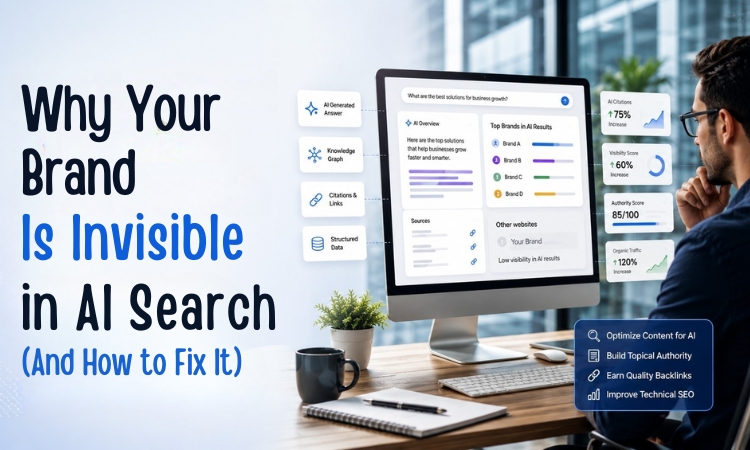
This is where topics such as why your brand is invisible in AI search can also become useful for an agency targeting businesses concerned about changing search behaviour.
Don’t make every piece of content a sales pitch. Sometimes answering a question properly is what earns the next click.
4. Add Clear Conversion Paths
Every important page should have a logical next action. That doesn’t mean putting a huge “Buy Now” button everywhere.
For a blog reader, the next step might be reading another guide. For a high-intent visitor, it could be booking a consultation or requesting a quote.
Your calls to action should make sense for the stage the visitor is in.
5. Measure And Improve The Funnel
Once the funnel is running, look at what people actually do rather than assuming everything works as planned.
Traffic numbers can tell you how many people arrive. Conversion data can tell you what happens afterwards. Together, these numbers show where the funnel is working and where it needs attention.
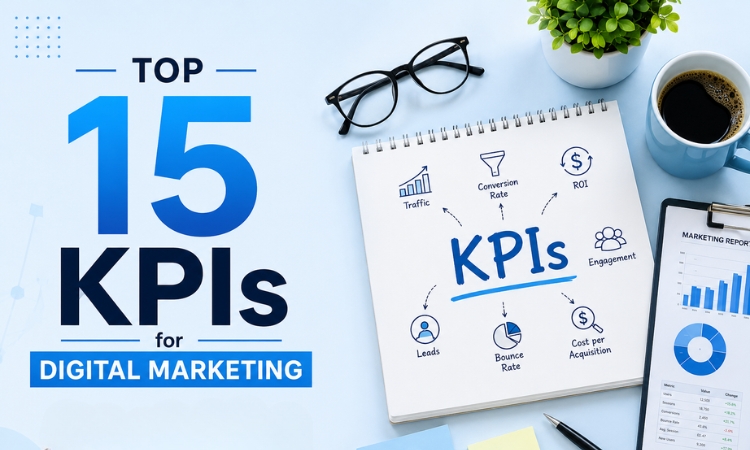
This is where understanding KPIs for digital marketing becomes important because different stages require different performance measurements.
Where Do Most Leads Drop Off in the Funnel?
Lead drop-off can happen anywhere, and it doesn’t always mean the marketing campaign has failed. Sometimes the problem is simply a mismatch between what the visitor expected and what the next page provides.
A common issue is getting plenty of awareness but very little interest. This may happen when the content attracts people who are not actually part of the target audience.
Another problem appears between consideration and conversion. A visitor may like the service but hesitate because pricing is unclear, trust signals are weak or the enquiry process feels complicated.
Website experience matters here too. Slow pages, confusing navigation and poor mobile layouts can quietly push potential customers away.
For businesses focused heavily on paid campaigns, improving the funnel can also help reduce cost per lead because better targeting and stronger conversion paths can make existing traffic more productive.
From First Click to Final Sale: What Should You Track?
Tracking should cover the complete journey rather than focusing only on traffic. Otherwise, it becomes easy to celebrate a large number of visitors without knowing whether those visitors are becoming customers.
Awareness Stage
At the awareness stage, impressions, reach, organic traffic and click-through rates can provide useful signals. As visitors move further down the funnel, engagement, landing page behaviour and lead conversion rates become more relevant.
Enquiries
For enquiries, businesses can track qualified leads, sales calls, proposal rates and final conversions. Revenue generated from different channels can then show which marketing activities are actually contributing to business growth.
It is also useful to connect marketing data with sales data. A channel that generates fewer leads may still be more valuable if those leads have a much higher chance of becoming paying customers.
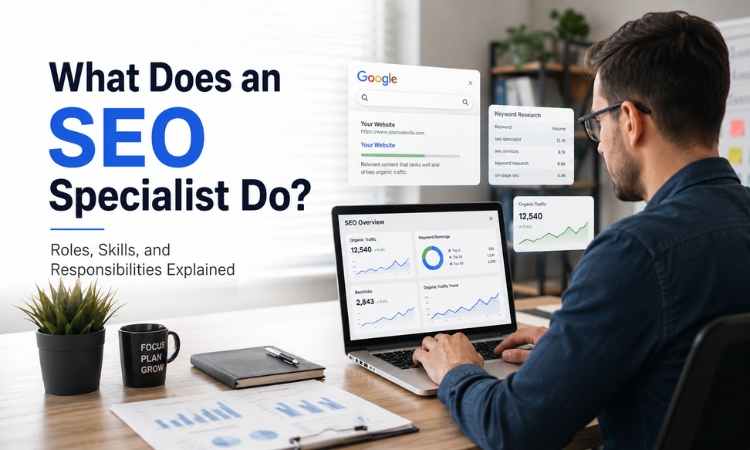
This is why knowing what does an SEO specialist do can be useful for businesses relying on organic search. SEO performance isn’t only about rankings. It should eventually connect with meaningful business outcomes.
Why Getting Traffic Is Not Enough to Grow Your Business
Traffic looks good in a report. But traffic alone doesn’t pay the bills.
A website can receive thousands of visitors and still generate very few enquiries or sales. The problem may be poor targeting, weak content, unclear messaging, an ineffective landing page or simply attracting people who have no intention of buying.
A funnel helps shift the focus from “How many people visited?” to “What did those people do next?”
That difference is important. A business that gets 10,000 visitors but converts very few of them may have a bigger growth problem than a business receiving 2,000 visitors with a strong conversion rate.
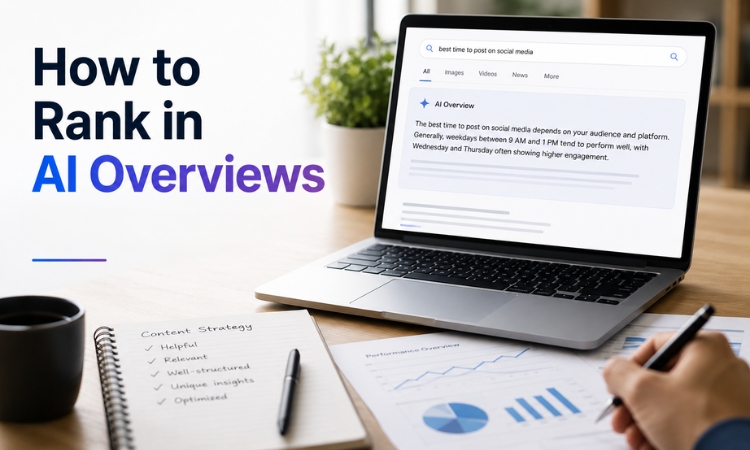
The same thinking applies to modern search. As search behaviour changes, businesses are increasingly thinking about visibility beyond traditional rankings. Questions such as how to rank in AI overviews are becoming part of broader search strategies, but visibility still needs to connect with what happens after someone discovers the brand.
A strong funnel therefore brings marketing and customer experience closer together. Traffic gets people through the door. The rest of the funnel gives them reasons to stay, trust the business and eventually take action.
Conclusion
A digital marketing funnel gives businesses a clearer way to understand what happens between someone discovering a brand and becoming a customer. It connects channels, content, customer needs and business goals instead of treating every marketing activity as a separate campaign.
The most useful funnel is not necessarily the most complicated one. It is the one that reflects how your customers actually make decisions.
When awareness, interest, consideration, conversion and retention are working together, marketing becomes easier to understand and improve. You can see where people are entering, where they are leaving and what needs to change.
And that is ultimately what makes a funnel useful. It turns a collection of marketing activities into a customer journey that can be measured, understood and improved over time.
